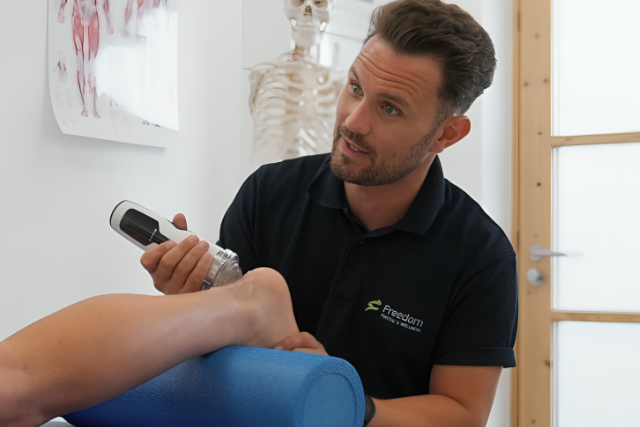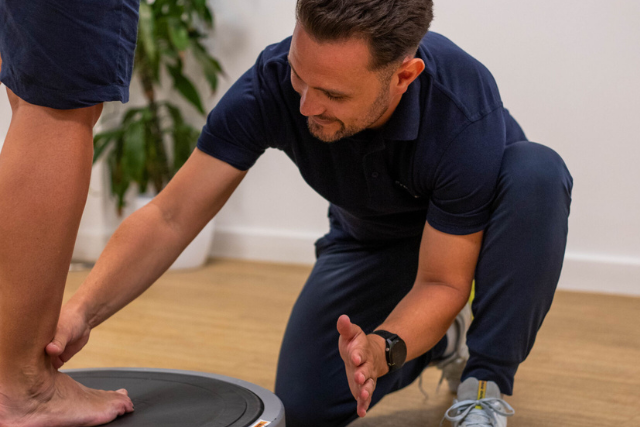
If you’re dealing with pain, tightness or a recurring injury, it’s common to wonder: sports massage vs physiotherapy, what’s the difference? The short answer is that sports massage focuses mainly on muscles and soft tissue relief, while physiotherapy assesses the full cause of pain or injury and builds a rehab plan to fix it long-term.
This guide breaks down when each is best, what to expect, and how to choose the right option (or combine both).
If you’d like help choosing the right option, you can read more about Physiotherapy here: Physiotherapy services, or explore Sports Massage here: Sports massage treatments.
At a glance: sports massage vs physiotherapy
- Best for fast relief: Sports massage
- Best for diagnosing pain/injury: Physiotherapy
- Best for long-term recovery: Physiotherapy (often supported by massage)
- Best for maintenance & training load: Sports massage (with physio input if issues keep returning)
What is sports massage?
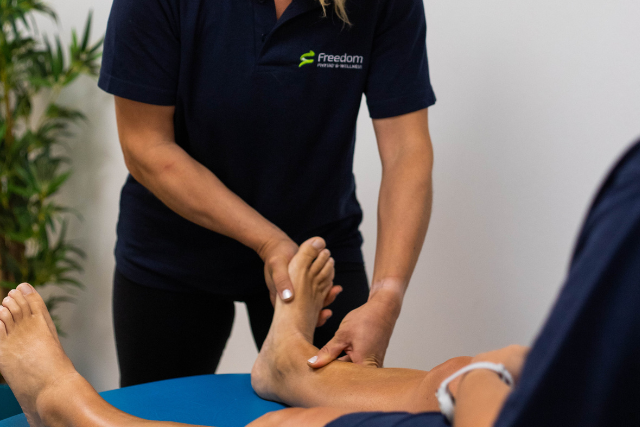
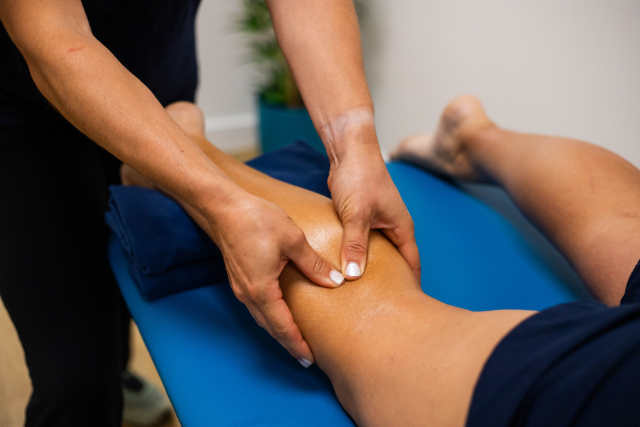
Sports massage is hands-on soft tissue treatment designed to reduce muscle tension, improve mobility, and support recovery from training or physical work. It typically focuses on:
- Tight or sore muscles
- Trigger points and localised tension
- Stiffness after training or competition
- General soft tissue maintenance
Sports massage can feel great and help you move better in the short term, especially if you’re training regularly or feeling “tight and heavy”.
What is physiotherapy?
Physiotherapy is a clinical assessment and treatment approach that looks for the reason you’re in pain or getting injured. A physio will usually:
- Take a detailed history (how it started, what aggravates it, your goals)
- Assess movement, strength, joint mobility, and function
- Diagnose or identify the most likely source of symptoms
- Create a rehab plan (usually exercises + loading + education)
- Use hands-on treatment when helpful (including soft tissue work)
Physio is often the best choice when pain is persistent, recurring, affecting performance, or limiting daily life.
The key differences (in plain English)
1) Assessment and diagnosis
- Sports massage: usually treats the area that feels tight/sore
- Physiotherapy: identifies why it’s happening and what’s driving it (tendon, joint, nerve, load, movement patterns, strength deficits)
2) Treatment style
- Sports massage: mostly hands-on soft tissue work
- Physiotherapy: hands-on treatment + exercise rehab + return-to-sport planning
3) Results timeline
- Sports massage: often immediate relief, but may be temporary if the cause isn’t addressed
- Physiotherapy: slower build, but stronger long-term outcomes by changing capacity, strength, and resilience
4) What each is best for
- Sports massage: recovery, stiffness, DOMS, tension, mobility support
- Physiotherapy: injury rehab, persistent pain, recurring problems, performance-limiting symptoms
When to choose sports massage
Sports massage is a strong choice if you:
- Feel generally tight or sore from training
- Want help recovering between sessions
- Have muscle stiffness limiting movement (but no major injury signs)
- Are in a heavy training block and want maintenance
Common examples: tight calves/hamstrings, post-run soreness, shoulder/upper back tightness, general fatigue from sport.
When to choose physiotherapy
Physiotherapy is usually the better first step if you:
- Have pain that’s lasted more than 1–2 weeks
- Keep getting the same issue repeatedly
- Suspect a tendon/joint injury (Achilles, knee, shoulder, hip)
- Have sharp pain, swelling, instability, or weakness
- Get symptoms that travel (e.g., pins and needles, nerve pain)
- Need a structured return to sport plan
Common examples: plantar fasciitis, Achilles tendinopathy, runner’s knee, tennis elbow, shoulder impingement-type pain, lower back pain affecting training.
The best approach for many people: combine both
For lots of active people, the “winner” isn’t massage or physio — it’s the right mix:
- Physiotherapy to diagnose, build a rehab plan, and solve the root cause
- Sports massage to reduce muscle tension, improve comfort, and support recovery while you rebuild capacity
This combo can be especially useful when you’re returning to running/field sports, building strength after injury, or managing recurring flare-ups.
What to expect in a first appointment
Sports massage session
- Quick screening / discussion of sore areas
- Hands-on soft tissue work (30–60 minutes typically)
- Aftercare advice (hydration, light movement, recovery guidance)
Physiotherapy appointment
- Detailed history + full assessment
- Explanation of what’s causing symptoms
- Clear plan: exercises, load guidance, timelines, and treatment options
- Hands-on treatment if appropriate
Sports massage vs physiotherapy: which should I book?
If you’re unsure, use this simple rule:
- Book sports massage if you want recovery support and your issue feels like general tightness or muscle soreness.
- Book physiotherapy if you have an injury, recurring pain, or want a plan to fix the cause.
If you want, I can also turn this into a short “booking decision” section with buttons/CTAs that match Freedom Physio’s service pages.
FAQs
Is sports massage better than physiotherapy?
Neither is “better” overall — they do different jobs. Sports massage is great for muscle tension and recovery. Physiotherapy is better for diagnosing pain and building a rehab plan to prevent it returning.
Can a sports massage fix an injury?
It can reduce symptoms, but many injuries (especially tendons/joints) need rehab, strength progression, and load management. If pain keeps returning, physio is usually the next step.
Do I need physiotherapy if I’m not injured?
Not always. But physio can help if you have recurring niggles, want a movement/strength plan, or need help progressing training safely.
How often should I get sports massage?
It depends on training load, stress, and how your body responds. Some people benefit weekly during heavy training blocks, others monthly for maintenance.
Can I do sports massage and physio together?
Yes — many people combine them. Massage can support comfort and mobility while physio builds long-term tissue capacity and resilience.
Should I rest after sports massage?
Usually you can train, but it depends on intensity and how you feel. Light movement is often helpful; hard sessions immediately after deep work may not be ideal for everyone.
Key takeaways
- Sports massage supports recovery, reduces tension, and can improve short-term comfort and movement.
- Physiotherapy assesses the cause of pain/injury and provides a plan to fix it long-term.
- If pain is persistent or recurring, start with physio.
- For training maintenance and soreness, sports massage is often ideal.
- Many people get the best results by combining both.
Not sure which is best for your symptoms? Take a look at the service pages to decide what fits your goal: Physiotherapy or Sports Massage.